


After Baahubali‘s monumental success, franchises have become a defining trend in Indian cinema. However, filmmakers are now split between two distinct approaches when building multi-part film series.
Two Franchise Models — Baahubali vs Pushpa
The first approach involves planning the complete narrative arc from the beginning. When a story genuinely demands multiple parts, the structure is built accordingly from day one, ensuring a satisfying conclusion without forced continuations.
Director S. S. Rajamouli‘s Baahubali exemplifies this method perfectly. The story was clearly designed as a two-part epic, and the second film delivered complete closure without leaving a forced setup for a third installment. Audiences walked away with a sense of narrative completion.
The second approach takes a different route — leaving open ends or cliffhangers primarily to extend the franchise, even when the current film’s story arc is essentially complete.
The Pushpa series has followed this path. Pushpa 2 ended with a cliffhanger hinting at a third installment. However, many viewers felt the transition to part three seemed somewhat forced compared to the organic progression between the first and second films.
Director Sukumar and star Allu Arjun have mentioned that the full storyline for a third part isn’t yet finalized, as both are currently committed to other projects. The next installment may materialize later when schedules align.
Dhurandhar Chooses the Baahubali Route
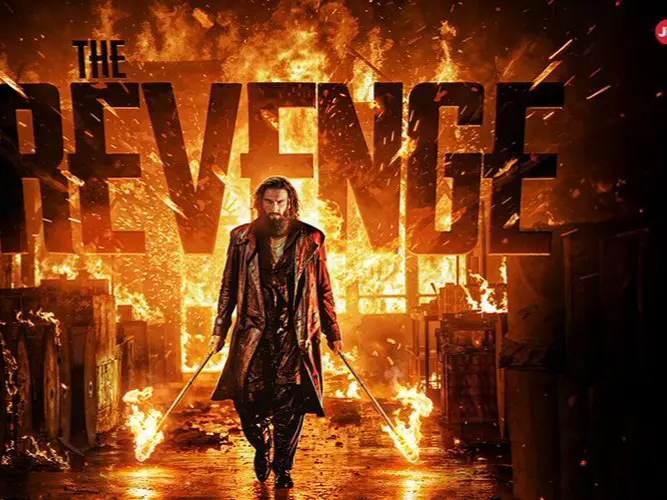
The upcoming Dhurandhar: The Revenge franchise appears to be following the Baahubali model rather than the Pushpa strategy.
According to industry buzz, the makers had suggested that director Aditya Dhar leave a cliffhanger to set up a third part. However, the director reportedly chose not to pursue that route.
Aditya Dhar had already planned the complete story as a two-part narrative and shot both installments together. This approach ensures the saga concludes naturally without forcing another chapter simply for commercial continuation.
A Refreshing Approach in the Franchise Era
Instead of extending the series without a clear storyline, the Dhurandhar team has decided to honor the original vision of completing the saga in two parts. This decision is being seen as a refreshing approach during an era where franchises often prioritize expansion over narrative integrity.
The choice reflects growing filmmaker confidence in delivering complete stories rather than keeping audiences perpetually waiting for the next installment. As franchises continue dominating Indian cinema, the Dhurandhar model may inspire others to prioritize storytelling closure over endless sequels.