


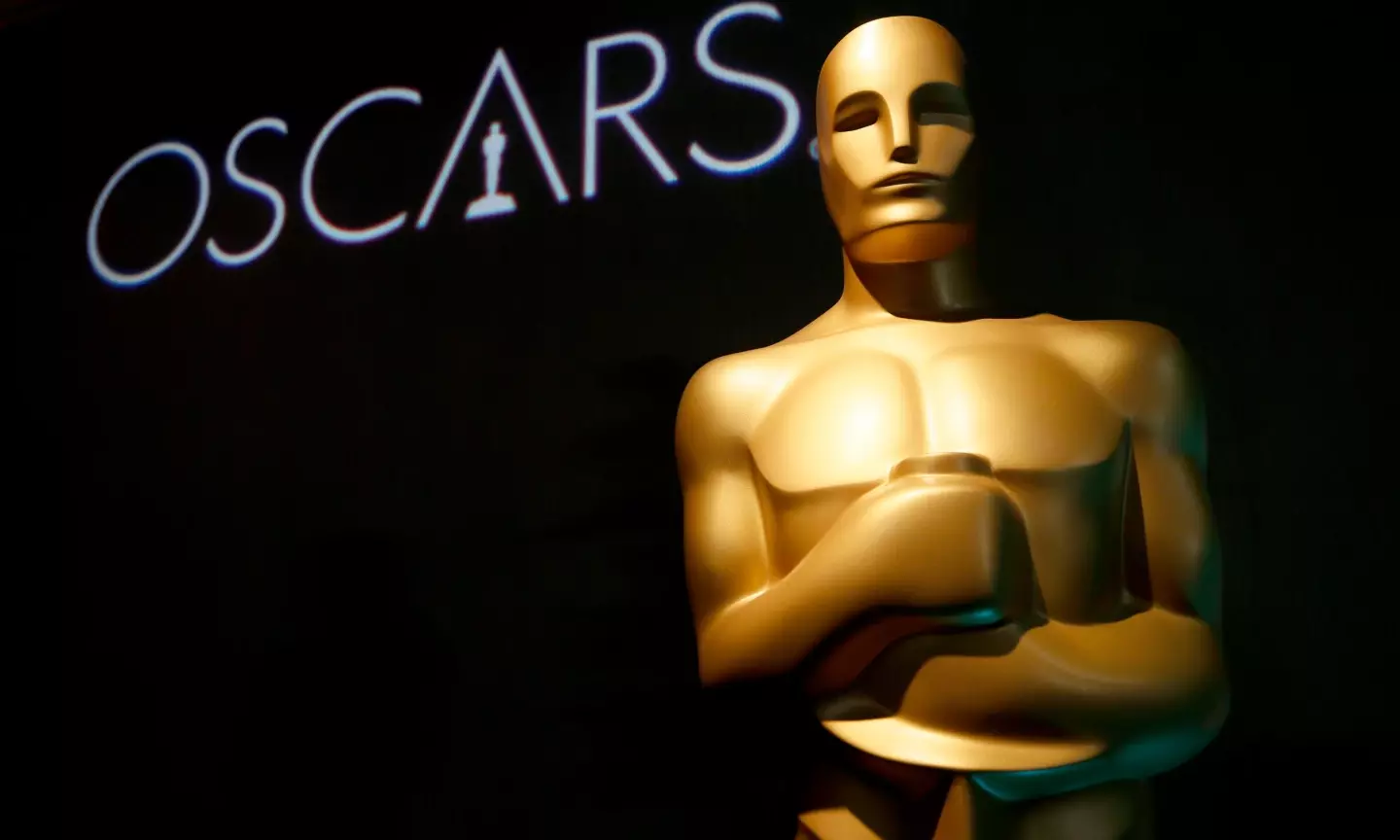
The Academy of Motion Picture Arts and Sciences has introduced major rule changes for the 99th Oscars, scheduled for 2027. In response to rapid technological advancements, the Academy has established strict guidelines regarding AI-generated content in filmmaking, prioritizing original human creativity over artificial intelligence.
AI Rules for Acting and Screenplay Categories
The Academy has clarified that AI-generated performances will no longer be eligible for Oscar consideration in acting categories. Under the new rules, an actor will only qualify if their role is “credited in the film’s legal billing and demonstrably performed by humans with their consent.” This means films featuring fully AI-generated performances, like the indie film As Deep as the Grave which used AI to recreate the late Val Kilmer’s voice and likeness, would not be eligible to compete.
Similarly, the screenplay categories now explicitly require human authorship. The submission guidelines for both Original Screenplay and Adapted Screenplay state that “the screenplay must be human-authored” with an explicit screenwriting credit present in the film’s legal billing. While AI tools can assist in the creative process, the Academy made it clear that human creative contribution remains the deciding factor for award eligibility.
Expanded International Film Eligibility
Beyond AI regulations, the Academy has introduced significant changes to the nominations process. Multiple films from the same country can now compete in certain categories, opening doors for wider international representation. This change is expected to benefit cinema industries worldwide, particularly regions with robust film production like India, South Korea, and France.
Additionally, actors will now have the opportunity to receive nominations for multiple performances in the same year. This provides greater flexibility and recognition for versatile performers who take on diverse roles across different projects within a single eligibility period.
What This Means for Filmmakers
Film analysts believe these changes could reshape the landscape of award-worthy cinema. The AI restrictions send a strong message about the value of human artistry in storytelling, while the expanded international rules promote diversity and fresh talent on the global stage.
The Academy’s stance reflects growing concerns in the entertainment industry about AI’s role in creative work. While technology continues to support various aspects of filmmaking—from visual effects to post-production—the Oscar rules now ensure that performances and scripts remain fundamentally human endeavors.
These regulations will officially take effect from the 99th Academy Awards in 2027, setting a precedent for how the film industry balances technological innovation with artistic integrity.