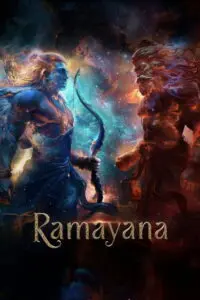


Ramayana Part 1 continues its dream run at the box office, receiving tremendous appreciation from audiences and critics alike. The film has emerged as one of the biggest cinematic events in recent times, with its grand visuals, emotional storytelling, and strong performances earning widespread praise.
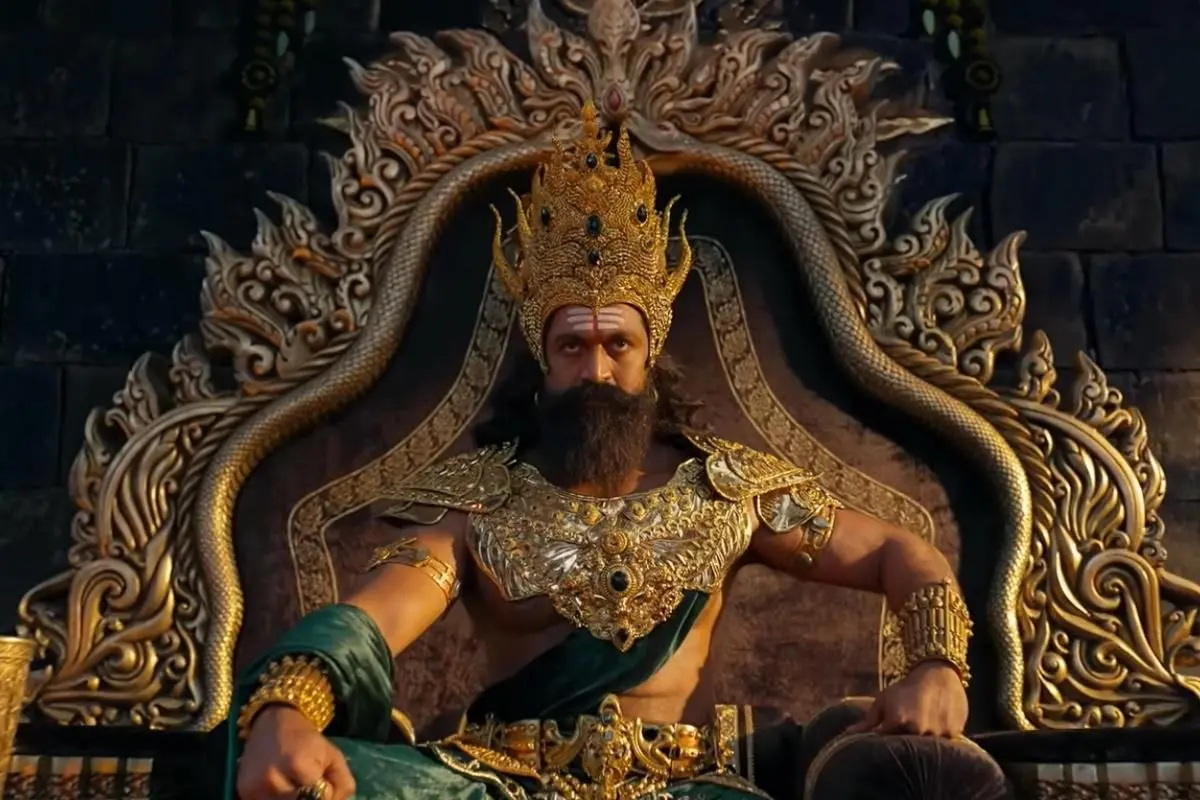
However, amid the overwhelming positive response, a section of viewers has expressed concerns over the way the character of Ravana has been portrayed in the film. While many appreciated the layered depiction of the antagonist, others feel that the character was altered significantly to suit the star image of actor Yash, who plays Ravana.
Why Some Audiences Are Unhappy With Ravana’s Portrayal
One of the major criticisms revolves around the film’s treatment of Ravana’s motivations and personality. According to some viewers, the movie deliberately softened several darker aspects traditionally associated with the character.
In the film, Ravana’s decision to abduct Sita Maa is largely presented as an act of revenge following Lakshmana’s attack on Shoorpanakha. Critics argue that this interpretation downplays Ravana’s flaws and omits his lustful nature, which is discussed in several traditional retellings of the epic.
As a result, some audiences believe the film presents Ravana in a more dignified and sympathetic light than expected, potentially creating an imbalance in the portrayal of the story’s key characters.
Nanduri Srinivas Highlights Differences From Valmiki Ramayana
Adding fuel to the debate, renowned Telugu spiritual speaker Nanduri Srinivas recently pointed out several differences between the film and Valmiki’s original Ramayana.
According to his analysis, many narrative choices in the movie appear to have been inspired by later interpretations and cinematic liberties rather than strictly following Valmiki’s text.
Ravana’s Navel and Brahma’s Boon
The film depicts an energy-like container in Ravana’s navel that grants him protection through Brahma’s boon. Nanduri Srinivas noted that this concept is closer to Ramcharitmanas and certain later adaptations, whereas Valmiki Ramayana does not describe it in the same manner.
Jatayu’s Relationship With Rama
In the movie, Jatayu is shown interacting with Rama from childhood and even showering flowers during Rama and Sita’s wedding celebrations.
However, according to Valmiki Ramayana, Rama and Lakshmana first meet Jatayu during their exile in the Panchavati forest.
Altered Timeline of Events
Another notable change involves the early portions of the narrative. The film reportedly skips the detailed Vishwamitra yajna episode and moves quickly toward Janakpur after Rama defeats Tataka and Subahu.
Critics feel that this restructuring was done to maintain pace but alters the chronology established in the original text.
Cinematic Additions Designed for Modern Audiences
The Sita Swayamvara Presentation
The film portrays the Shiva Dhanush challenge almost like a stadium event where contestants attempt and fail individually before Rama effortlessly lifts and breaks the bow.
While visually impressive, critics note that this presentation resembles older cinematic adaptations more than a literal recreation of Valmiki’s narrative.
Romantic Interactions Before Marriage
The movie introduces several moments where the brothers and their future brides interact in smaller groups before their weddings.
Many viewers believe these scenes were added to create emotional connections with younger audiences and provide modern cinematic appeal.
Extended Action Sequences
Shoorpanakha’s husband Vidyutjivha reportedly receives a lengthy action-heavy sequence that is not emphasized in the original epic. Critics argue that such additions were designed to satisfy contemporary expectations for large-scale action spectacles.
The Inclusion of Lakshmana Rekha
One of the most discussed points is the inclusion of the famous Lakshmana Rekha.
According to many scholars, the Lakshmana Rekha does not appear in Valmiki Ramayana and instead emerges in later regional adaptations such as the Ranganatha Ramayana and Ramcharitmanas. Despite this, the film includes the iconic element, likely because it has become deeply embedded in popular culture.
Changes in Sita’s Abduction Sequence
The abduction sequence has also drawn attention from traditionalists.
In Valmiki’s version, Sita drops a bundle of ornaments while being carried away. The film modifies this moment by showing her dropping the jewels individually while Ravana notices the act, adding a more dramatic cinematic touch.
Shoorpanakha and Sita’s Conversation
Some viewers felt that portions of the dialogue between Shoorpanakha and Sita used language that seemed inappropriate for Sita’s character.
Others also believe that the film portrays Shoorpanakha’s proposal in a comparatively sympathetic manner.
Rama’s Response to Khara and Dushana
Another point of criticism is a scene where Rama appears to apologize to Khara and Dushana following Lakshmana’s punishment of Shoorpanakha.
Critics argue that such a depiction does not align with the traditional understanding of Rama’s unwavering commitment to dharma.
Was Ravana Shown Too Respectfully?
Perhaps the biggest talking point is the perception that the film elevates Ravana’s stature while reducing the heroic dominance of Rama, Lakshmana, and Sita in certain situations.
Some viewers feel that Ravana is portrayed with remarkable dignity throughout much of the narrative. At the same time, critics point out scenes where Rama, Lakshmana, and Sita are shown running from danger or being physically challenged during battles.
Similarly, the movie depicts Sita actively wielding a sword and fighting demons. While many modern audiences appreciated the empowered portrayal, traditionalists argue that Valmiki Ramayana describes Rama as single-handedly defeating the attackers while protecting both Sita and Lakshmana.
Creative Freedom vs Faithfulness to Source Material
It is important to note that every adaptation of the Ramayana introduces creative interpretations. Whether through films, television series, novels, or stage productions, storytellers often modify certain elements to connect with contemporary audiences and suit cinematic storytelling requirements.
Because of this, complete adherence to Valmiki’s version is rarely possible. Every creator inevitably adds a personal touch, emphasizing certain aspects while reimagining others.
Fans Hope Makers Address Concerns in Part 2
Despite these criticisms, Ramayana Part 1 has achieved remarkable success and continues to win the hearts of the majority of moviegoers. The backlash currently comes from a specific section of audiences who expected a more textually faithful adaptation of Valmiki Ramayana.
Many fans believe the makers should take note of these concerns as they move forward with Ramayana Part 2. While cinematic liberties are expected, audiences hope future installments maintain a better balance between creative storytelling and faithfulness to the revered source material.
For now, Ramayana Part 1 remains both a box-office phenomenon and a topic of intense discussion from critics, proving that adapting one of India’s greatest epics will always invite both admiration and debate.