
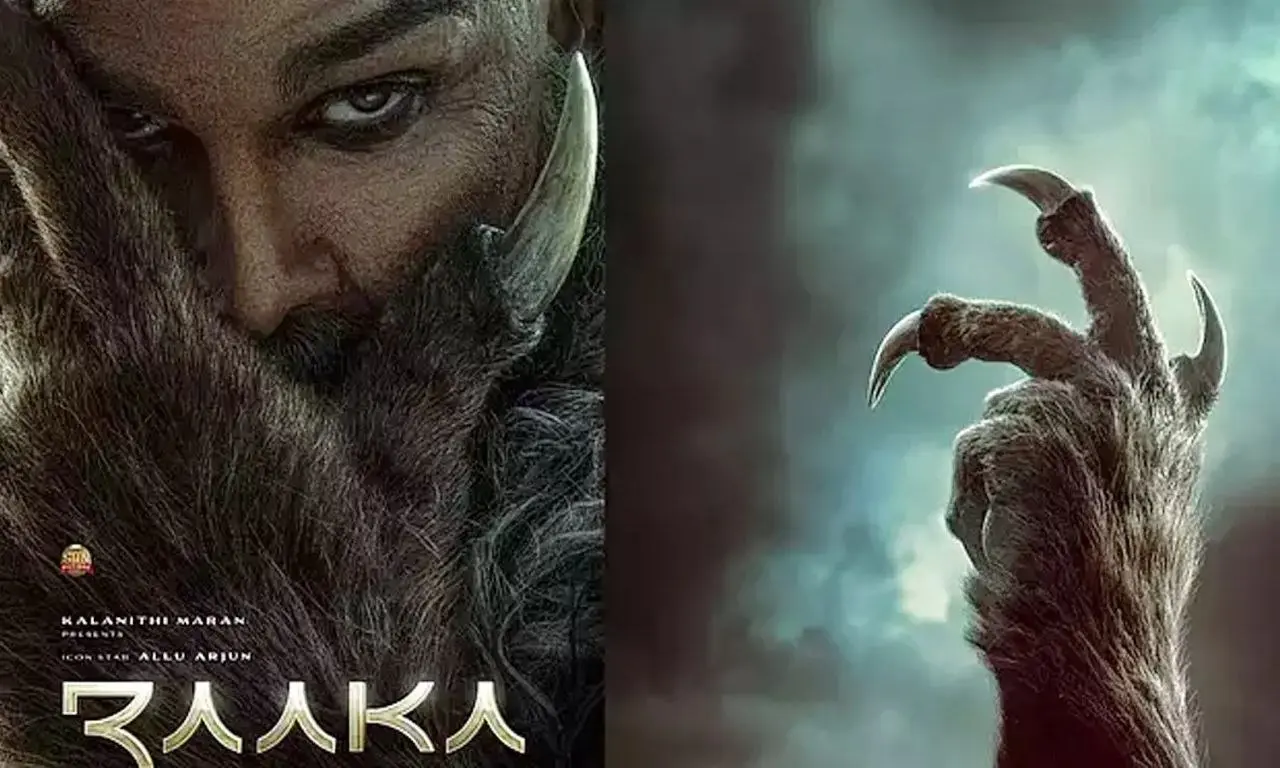
Normally, movie teams overhype their films to create big buzz, especially for visual heavy projects. They often go a step further and claim the visuals will be even bigger than Hollywood films, something never seen in cinema before. Most of the time, this ends up drawing unnecessary trolls once the actual content is out.
This has happened before. Kalyan Ram had hyped Devara by comparing it to Game of Thrones. Once the film released, fans themselves trolled both Kalyan Ram and the film, since the visuals did not match up to that kind of comparison. More recently, Ramayana faced very similar criticism. Despite being mounted on a reported budget of 4,000 Cr, the film’s VFX drew heavy trolling online, with many viewers directly comparing it unfavourably to Hollywood standards the makers themselves had invited by setting such high expectations.
Raaka has now stepped into the same territory. The hype has already begun, with claims that the visuals are bigger than Avatar. This kind of comparison sets an extremely high bar, and history shows that films making these claims either silence critics completely or become the subject of heavy trolling once the actual visuals are out.
The pattern is clear across these examples. Comparing an Indian film to a landmark Hollywood visual benchmark creates massive buzz in the short term, but it also creates a fixed yardstick that the film has to match exactly. When it does not, the same buzz turns into criticism just as quickly. For a film like Raaka, carrying one of the biggest budgets in Indian cinema, getting this balance right will matter just as much as the visuals themselves