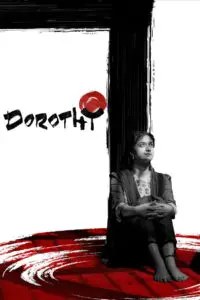
Karthik Subbaraj‘s latest directorial venture Dorothy has sparked intense debate on social media following its theatrical release in India today. The Tamil action drama, starring Keerthy Suresh, Sananth, and Rishikanth, premiered at the Toronto International Film Festival before its September 25, 2026 release, but its bold treatment of LGBTQ+ themes and transgender identity has divided audiences and drawn criticism from sections of viewers.
About The Film
Set in rural Tamil Nadu during the early 1990s, Dorothy is written and directed by Karthik Subbaraj and explores friendship, love, caste, violence, patriarchy and the rigid ideas of masculinity prevalent in that era. Ilaiyaraaja has composed the music, while Thiru handles the cinematography. The film marks another bold creative choice for Subbaraj, who has built a reputation for tackling unconventional and provocative subjects in Tamil cinema.
LGBTQ+ Content Draws Attention
The film has attracted attention for its treatment of sexuality and gender identity, particularly in its second half. Dorothy contains intimate material involving two male characters, including scenes of physical intimacy and kissing, while its storyline eventually explores one character’s transgender identity. Reviews have noted that the film deliberately uses these elements to examine masculinity, desire and the protagonists’ complicated emotional bond. However, some critics have also questioned the manner in which the transgender character is portrayed, with the film’s approach described as deliberately provocative and, at times, uncomfortable.
Social Media Backlash and Malaysia Ban
The LGBTQ+ content has triggered debate on social media, with sections of viewers criticizing the film’s treatment of gender identity and intimate relationships. Others have defended Karthik Subbaraj‘s attempt to tackle a sensitive subject in mainstream Tamil cinema. Reports have also emerged that Dorothy was barred from theatrical release in Malaysia, with LGBTQ+-related content cited in local reports as the reason, although a formal censorship order publicly confirming the exact grounds has not been identified. Meanwhile, early audience reactions in India have remained mixed to positive, with viewers discussing the film’s unconventional themes and major tonal shift in the second half.